
WORKING Cats
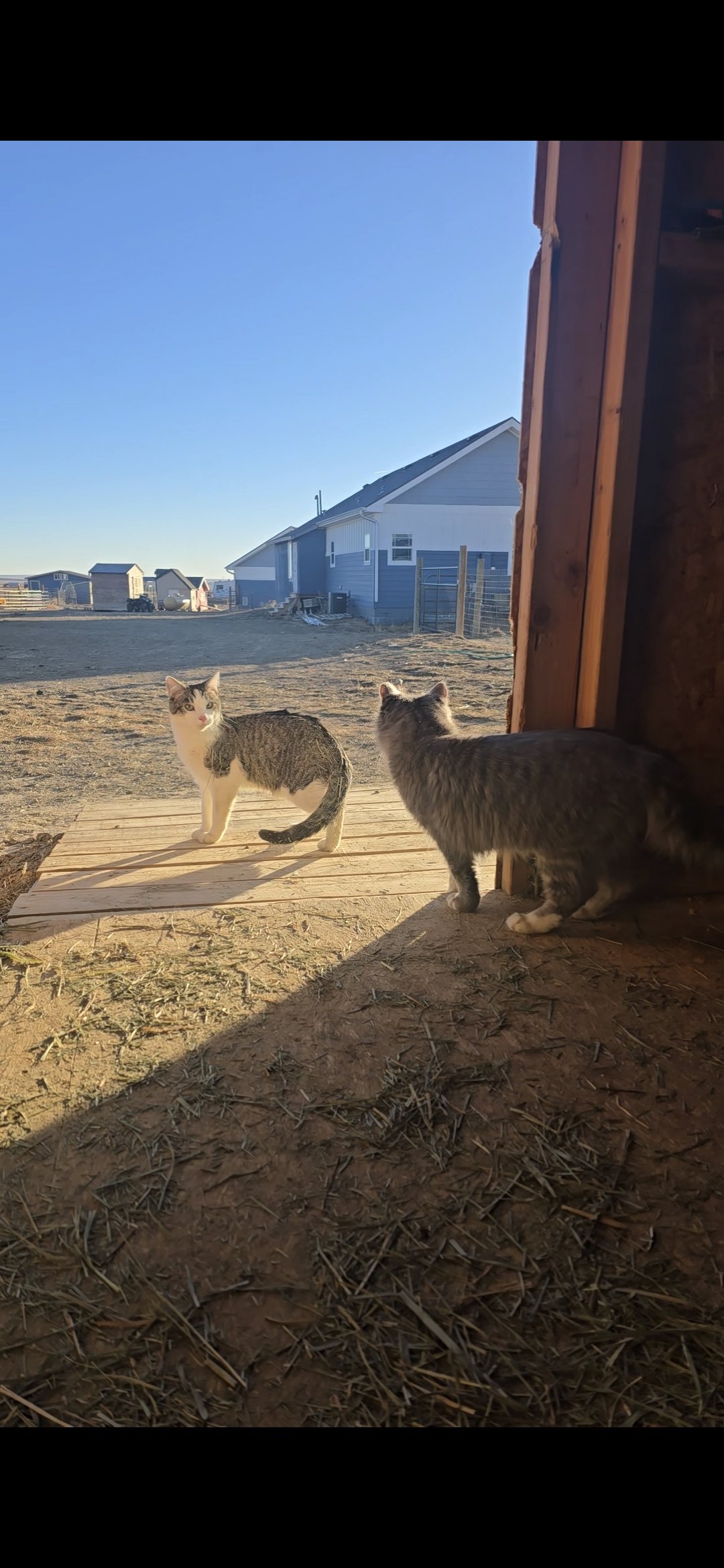
Animal Friends Alliance often meets cats that do not conform to behaviors of the average companion cat. These cats have demonstrated higher independence needs and less tolerance for human contact than most pet cats and often thrive in non-traditional settings such as barnyards, vineyards, garden centers, workshops or warehouses. Working cats are valued for their alert personalities and prey drive – or as we like to think of it…work ethic!
JOBS ON THE FIELD
What type of working cat is right for you? Read below for more information and to choose the type of cat you are looking for.
MODEST MOUSER
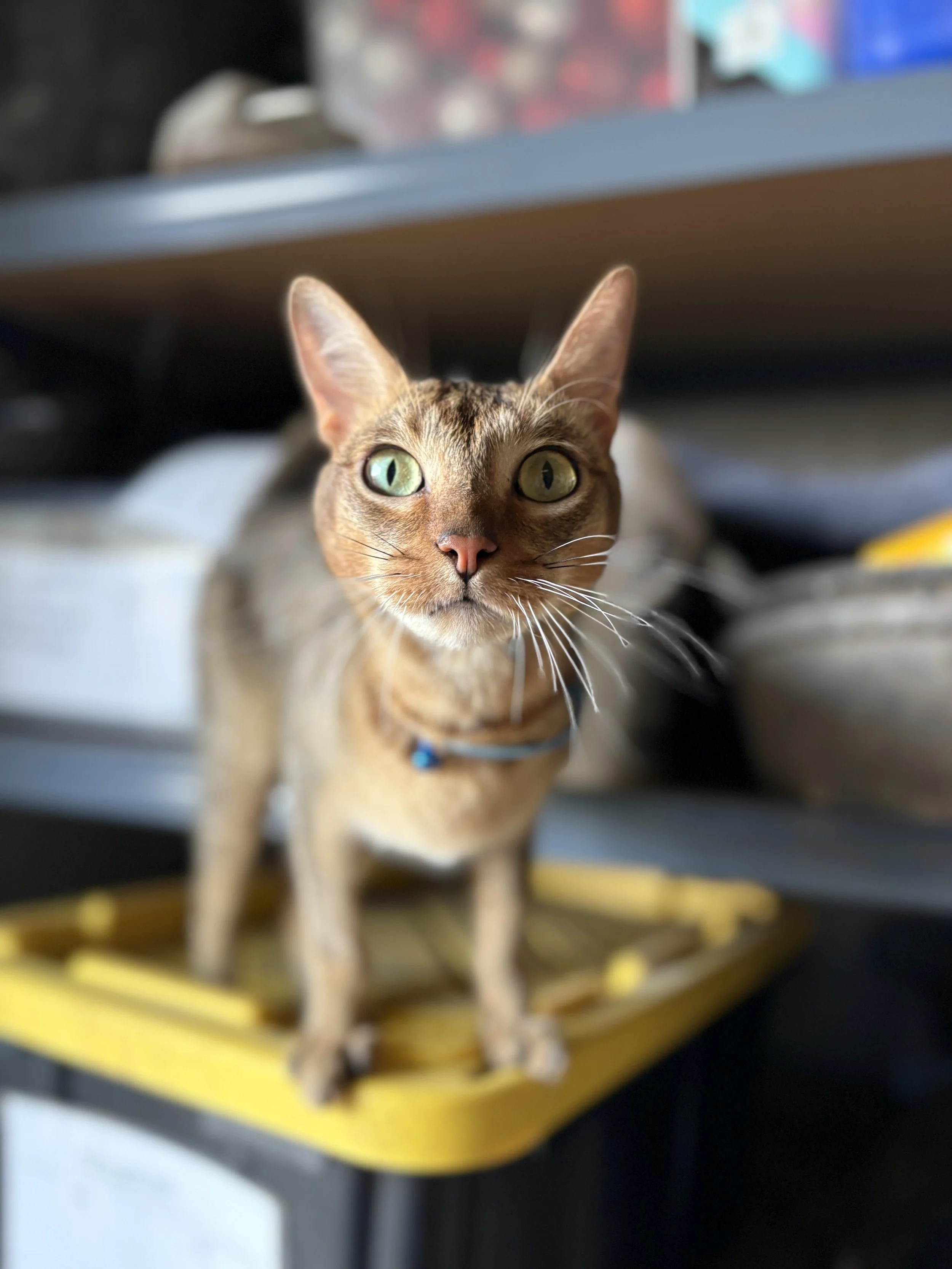
This kitty is intermittently friendly or feisty. While these cats appear familiar with people, they possess variable tolerances for handling. Some enjoy quick interactions, including some petting, but object to being picked up, while others choose to remain just out of arm’s reach to ensure their independence. The Modest Mouser might flirt with you but quickly recalls that his preference is to be left alone. This cat will handle his workload with occasional check-ins to make sure.
NIGHTTIME NINJA
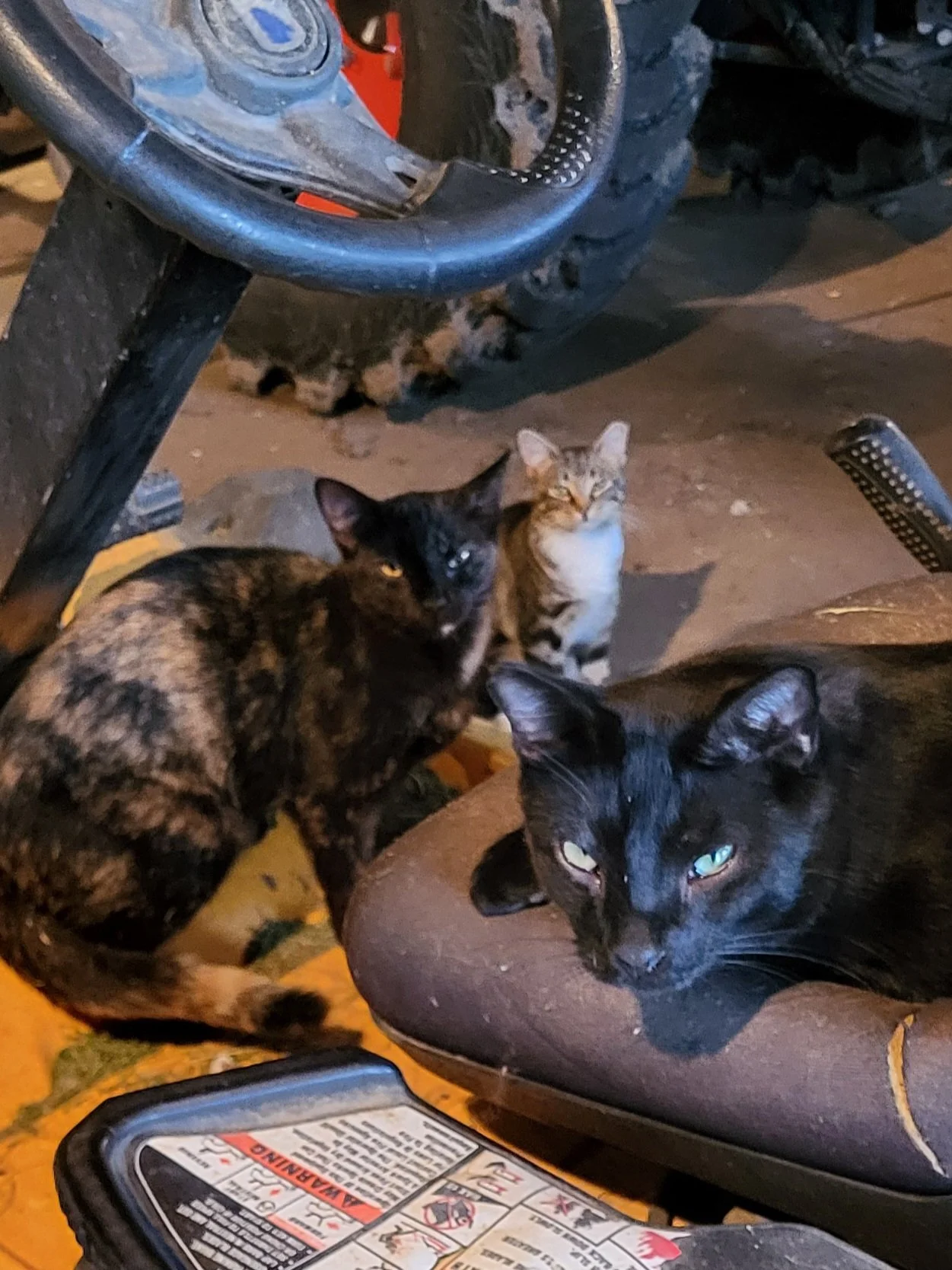
Nighttime Ninja answers to no one! He expects that you’ll entrust him with his responsibilities and then give him the time and space he needs to accomplish his task. These cats have little to no experience with people, and their instinct is to lay low and keep their distance. This working cat will work hard from the shadows.
Please note, we will not place cats who are best suited to be house pets as barn cats, and we won’t place kittens under age 6 months as barn cats, unless they are feral/semi-feral. The majority of the time we will place a minimum of TWO cats at the same location at the same time.
REQUIREMENTS
Working cats benefit their caretakers! Supporting a working cat is the safest way to control the rodent population in your barn or warehouse. There are no poisons for children and pets to get into, and no need to set nasty traps. They will help keep rodents away from grain and food storage areas, and you’ll enjoy watching the cats as well as have the satisfaction of giving them a much-needed home!
shelter
A warm, secure, dry barn or building in which the cats can live out their lives.
1
PATIENCE
2
The commitment and ability to keep the cats confined to a crate or exercise pen with a wire top for 4 to 5 weeks, to acclimate them to their new environment before release.
Cat care
3
A clean litter box that is scooped and/or cleaned daily while confined, a constant supply of dry food and fresh water. Cats hunt for fun and to fulfill prey drive needs. Food and fresh water keep them healthy and committed to you!
SUPERVISION
4
Monitoring and providing for the safety and well-being of the cats as their caretakers.
quality time
5
Spending time daily making verbal contact with the cats so that they become familiar with you.
FAQ
-
Cats need to be confined initially in their new home for at least 4 to 5 weeks in order to familiarize the cats with their new environment, so that they will remain on the premises. Even though there are instances of cats remaining when they have escaped upon arrival, this is rare, and most cats will take off, never to be seen again. Other than being dangerous for the cat, this can be traumatic for the caregiver, who has usually put a lot of time, energy, money, and care into the cat.
Some people see confinement as cruel, but a short confinement period is a very necessary part of the relocation project. Not confining the cats and having them run off could mean a far worse fate for the cats. You should know that during the first day or two, the cats may struggle to find a way out. Most cats settle down in the crate after a day or two when they realize that no harm will befall them.
-
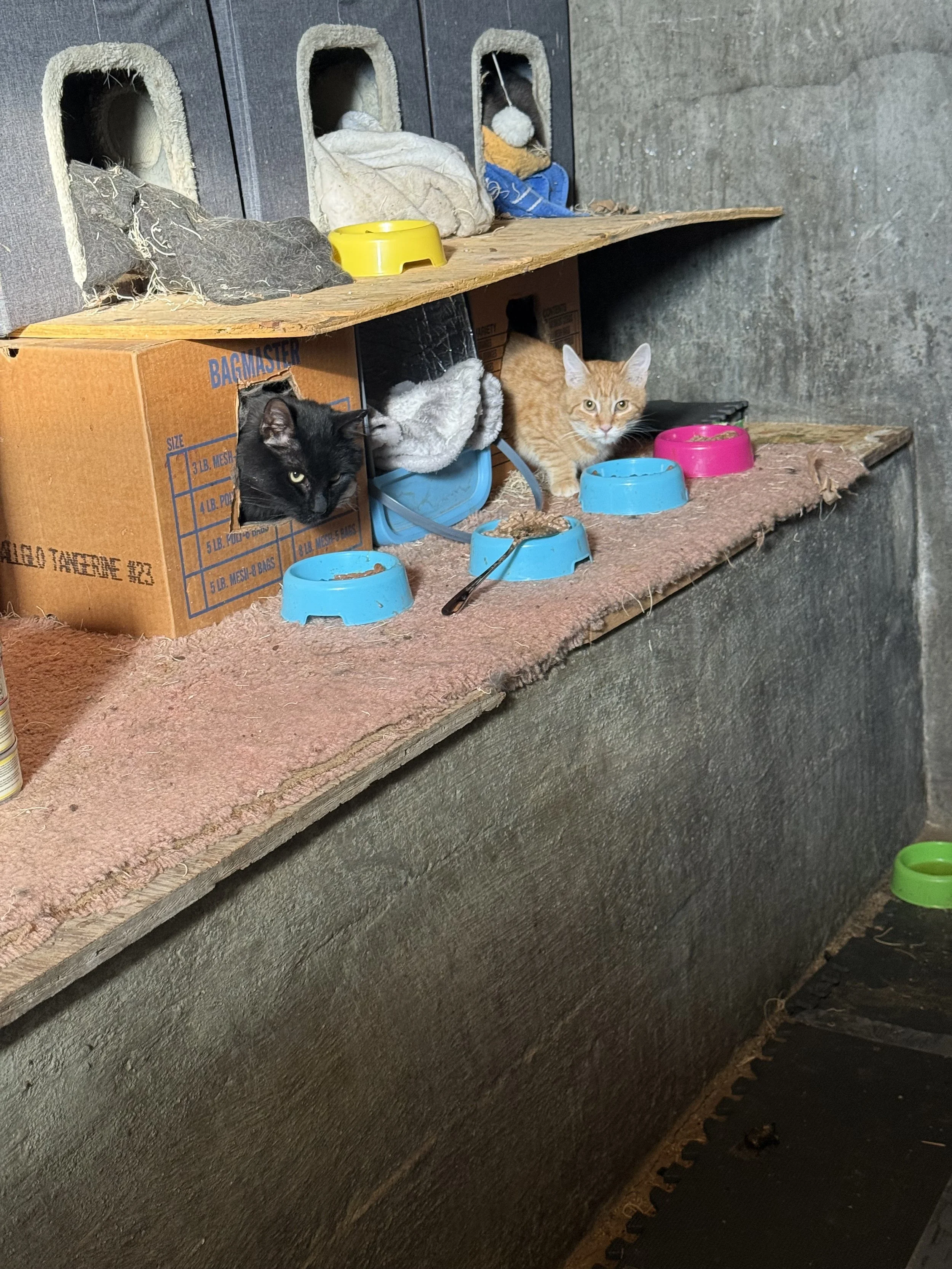
You should be equipped with an extra-large wire dog crate or an escape-proof room or shed. Animal Friends Alliance may be able to loan you a crate for the 4-5 week time frame if you are in need of it. Inside the containment room or kennel you must provide the cats with: a litter box, dry food and fresh water at all times; and a portion of canned food every day. It is recommended that a portion of the cage/crate be covered with a sheet. This will allow the cats to feel more protected and hidden.
In winter, the small crate should be bedded with thick towels or straw. Additionally, the caregiver may wish to place bales of straw around the enclosure to help maintain warmth for the confined cats. In summer, proper ventilation is vital to prevent overheating. Cats can and do become overheated in areas without ventilation.
-
The suggested donation for each fully vaccinated, spayed/neutered, ear-tipped or microchipped cat is $30. There is no “set” fee for these working cats, but donations will help us to save more cats.
-
All cats will be spayed or neutered prior to placement
All cats will have received rabies and distemper combo (FVRCP) vaccines
All cats will be ear-tipped
All cats will be microchipped and tested for Feline Leukemia (FeLV) unless otherwise specified
Animal Friends Alliance will have the cats available for pickup and will provide detailed instructions on safely confining, releasing and maintaining your working cats. If you need help with a containment system during the transition time period, we may be able to help.
-
The suggested donation for each fully vaccinated, spayed/neutered, ear-tipped or microchipped cat is $30. There is no “set” fee for these working cats, but donations will help us to save more cats.
-
Alley Cat Allies recommends that at least two cats always be moved together. They should be cats who have formed a bond or at least get along with each other. The move will be less traumatic and adjustment to their new home easier if they have the security of one or more trusted companions.
Please read all of the program details before applying to hire a working cat.
If you have additional questions, please call our shelter at (970) 484-8516.